
What causes tree roots to invade sewer lines?
Learn why tree roots invade sewer lines in Pittsburgh and how to prevent costly damage to your plumbing system.
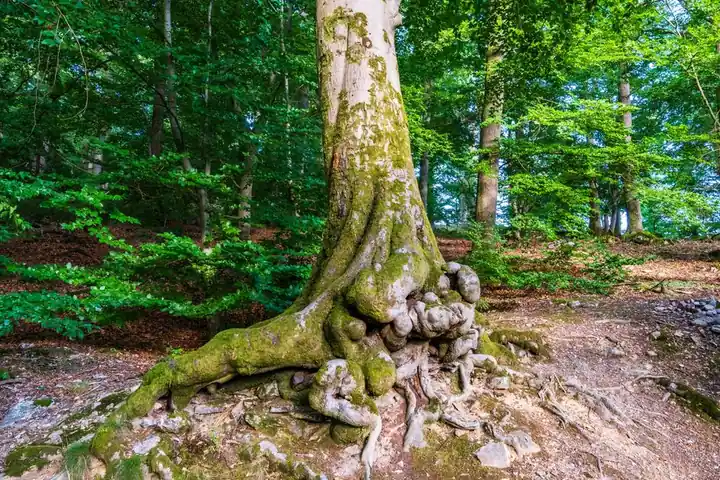
Tree roots invade sewer lines primarily due to their search for moisture and nutrients. In Pittsburgh, the combination of older sewer systems and abundant tree species makes this a common issue for homeowners.
Understanding the causes of tree roots invading sewer lines can help you take preventive measures. This article will discuss how tree roots affect sewer pipes in Pittsburgh, common causes of root intrusion, and effective prevention strategies.
How do tree roots affect sewer pipes in Pittsburgh?
Tree roots can severely damage sewer pipes, leading to clogs, leaks, and costly repairs. When roots penetrate sewer lines, they can block the flow of wastewater, causing backups and potential health hazards. In Pittsburgh, many homes are situated near mature trees, increasing the risk of root intrusion.
Common causes of tree roots invading sewer lines
Several factors contribute to tree roots invading sewer lines:
- Moisture: Sewer pipes provide a reliable source of moisture, attracting roots, especially in dry conditions.
- Old or damaged pipes: Cracks or leaks in sewer lines can create entry points for roots.
- Soil conditions: Loose or sandy soils allow roots to grow more easily into pipes.
- Tree species: Certain trees, like willows and maples, are more aggressive in seeking out water sources.
- Proximity to trees: Homes planted close to large trees are at a higher risk of root intrusion.
In Pittsburgh, the prevalence of older homes with aging sewer systems exacerbates these issues. Many homeowners experience root intrusion removal as a necessary service to maintain their plumbing.
How to prevent tree roots from invading sewer pipes in Pittsburgh
Preventing tree roots from invading sewer pipes involves proactive measures:
- Regular inspections: Schedule sewer video inspections to identify potential issues early.
- Maintain trees: Trim trees regularly and consider removing those that are too close to your sewer lines.
- Install root barriers: Use physical barriers to prevent roots from reaching sewer pipes.
- Opt for trenchless solutions: If replacement is necessary, consider trenchless sewer repair methods that minimize disruption.
In 2026, typical costs for preventative measures can range from $200 to $1,500, depending on the extent of the work required. Homeowners in areas like Lawrenceville often seek these services to avoid future complications.
What to watch out for
Homeowners should be vigilant for signs of root intrusion, including:
- Frequent clogs and backups
- Unusual odors from drains
- Slow drainage
- Wet spots in the yard
If you notice these symptoms, it's essential to address them quickly to avoid more extensive damage to your sewer system.
When to call a professional
Contacting a professional is crucial when you suspect root intrusion. Trenchless Sewer Repair Pittsburgh offers comprehensive assessments and solutions tailored to your needs. Early intervention can save you from costly repairs.
Frequently Asked Questions
What are common causes of tree roots invading sewer lines?
Common causes include moisture from sewer pipes, old or damaged pipes, soil conditions, tree species, and proximity to trees.
How can I prevent tree roots from affecting my sewer lines in Pittsburgh?
Preventive measures include regular inspections, maintaining trees, installing root barriers, and considering trenchless solutions for repairs.
What can you do about tree roots in sewer lines in Pittsburgh?
You can schedule sewer inspections, maintain your landscaping, and seek professional root intrusion removal services when necessary.
How often should I inspect my sewer lines for root intrusion?
It's advisable to inspect your sewer lines at least once a year, especially if you live near large trees.
What are the signs of root intrusion in sewer lines?
Signs include frequent clogs, slow drainage, unusual odors, and wet spots in your yard.